Category: US Weather News

Weather News in the United States.

  • Vermont Flooding

    Vermont Flooding

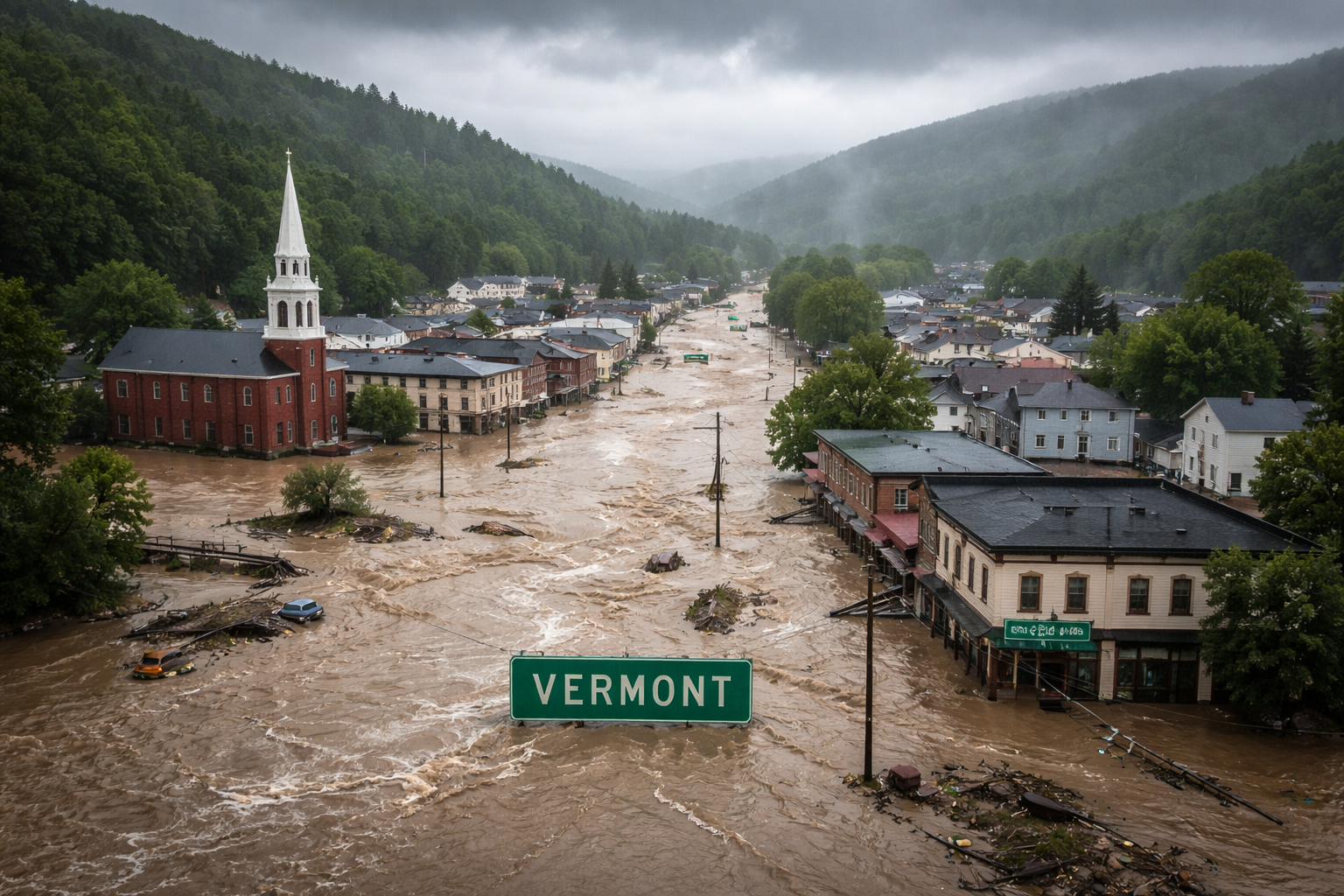
    Vermont has faced repeated and severe flooding in recent years, with intense rainfall overwhelming rivers, streams, and drainage systems across the state. Mountainous terrain and narrow river valleys cause water to rise quickly, turning normally quiet waterways into destructive torrents. Communities along the Winooski, Lamoille, and Otter Creek rivers have been especially vulnerable, as floodwaters spread into downtown areas, homes, and farmland.

    The impacts of flooding in Vermont extend beyond immediate property damage. Roads and bridges are frequently washed out, isolating rural towns and disrupting emergency response efforts. Farmers often lose crops and livestock, while residents face long recovery periods marked by cleanup, mold remediation, and financial strain. These floods have highlighted how climate change is increasing the frequency and intensity of extreme rainfall events in the region.

    Despite these challenges, Vermont communities have shown resilience in the face of flooding. Neighbors help one another with evacuations and rebuilding, and local organizations coordinate relief and recovery efforts. State and local leaders are also investing in floodplain restoration, stronger infrastructure, and climate adaptation planning to reduce future risks and better protect people, ecosystems, and livelihoods.
  • Washington State Flood

    Washington State Flood

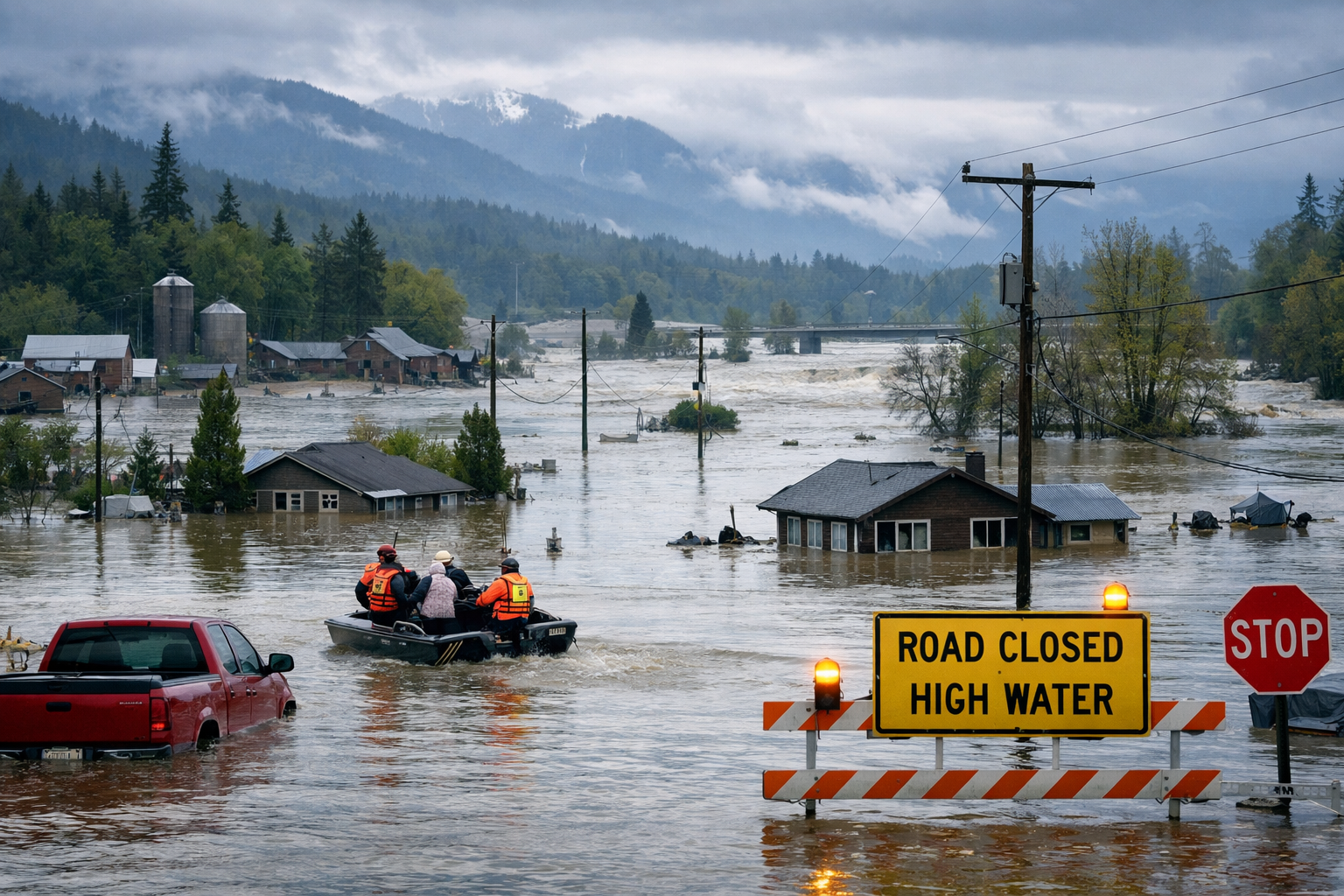
    The recent floods in Western Washington were triggered by a combination of intense rainfall, rapid snowmelt, and already saturated ground, causing rivers and streams to overflow across multiple counties. Communities along major waterways such as the Skagit, Snohomish, and Chehalis Rivers experienced rising waters that inundated roads, farmland, and residential neighborhoods. Emergency officials issued flood warnings and road closures as conditions changed quickly, urging residents in low-lying areas to prepare for possible evacuations.

    The flooding disrupted daily life for thousands of residents, damaging homes, businesses, and critical infrastructure. Several highways were temporarily closed, isolating some rural communities and complicating emergency response efforts. Farmers faced significant losses as fields were submerged, while schools and local services were forced to suspend operations. First responders and volunteer organizations worked around the clock to assist with evacuations, distribute supplies, and ensure public safety.

    As waters began to recede, attention shifted toward recovery and long-term resilience. Local and state agencies started assessing damage and coordinating cleanup efforts, while affected families sought assistance for repairs and temporary housing. The floods also renewed conversations about climate change, land-use planning, and flood mitigation in Western Washington, highlighting the need for improved infrastructure and preparedness as extreme weather events become more frequent